

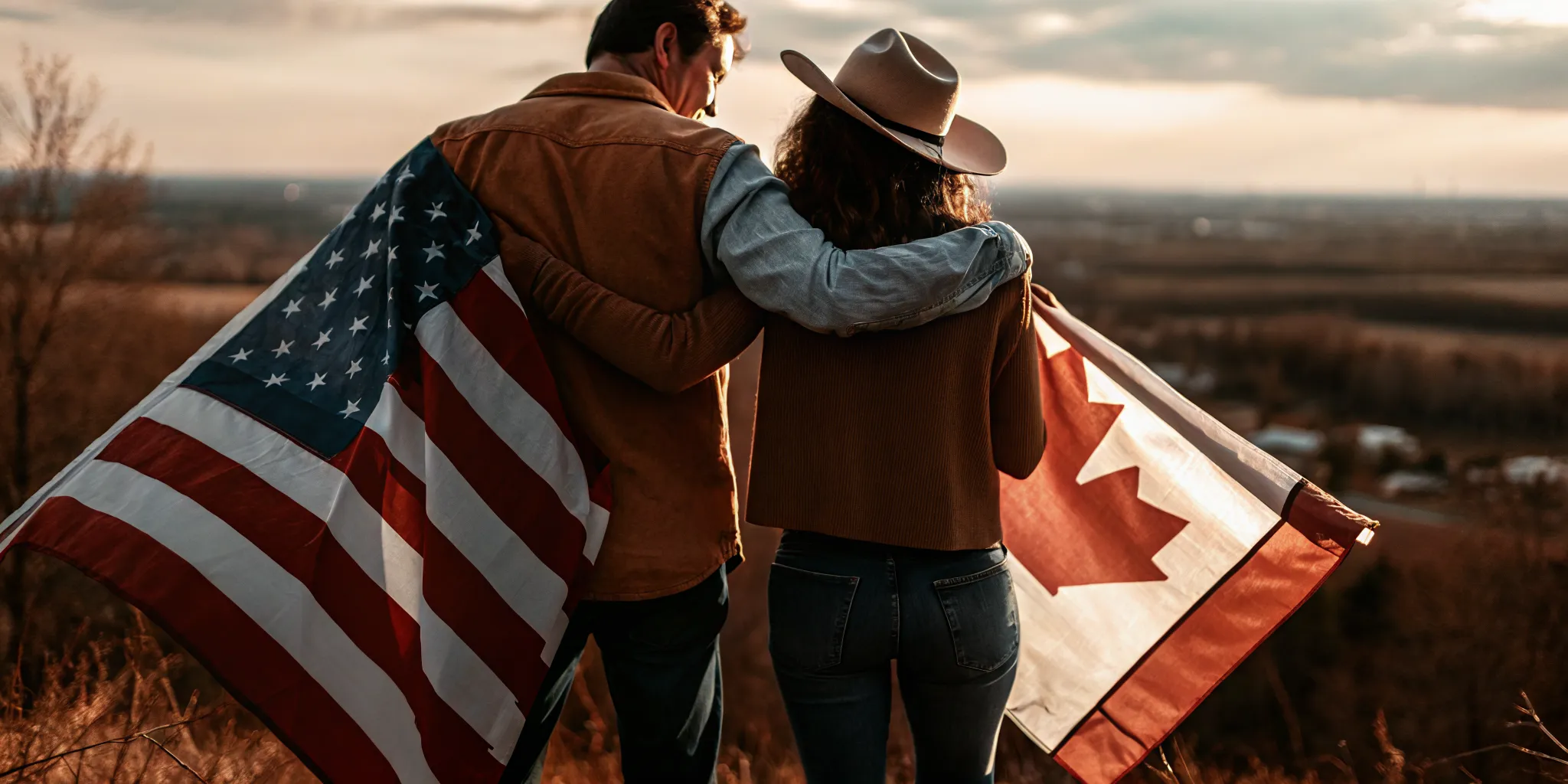
Living apart at the US-Canada border is a hard step for couples building a future in Canada. Outland spousal sponsorship allows your partner to wait for status while they keep their job and home in the United States. Choosing this path can save your family from financial risk.
Outland spousal sponsorship is a Canadian immigration type that lets citizens sponsor a partner who lives outside the country. This path is common for couples living apart at the US-Canada border who want status without losing their current jobs or homes.
According to CanadaVisa, the program covers married spouses, common-law partners, and conjugal partners. One major benefit is the freedom to travel between countries while the government checks the file. Applicants do not have to live in Canada during the wait. However, this choice lacks a quick work permit for the sponsored person. You must know these facts before you choose your path.
To make the best choice, you need to know how the government defines this program. This guide looks at the details of What Is Outland Spousal Sponsorship? to help you plan your next steps. The path starts with the basic rules.
What Is Outland Spousal Sponsorship?
Outland spousal sponsorship is a way for Canadian citizens and permanent residents to sponsor a partner for permanent residence in Canada. This pathway falls under the Immigration, Refugees and Citizenship Canada (IRCC) Family Class category. It lets you start the process while your spouse or partner lives outside of Canada. While many couples use this when they live in different countries, you may also qualify if both of you are currently inside Canada.
In 2026, Canada plans to welcome about 69,000 spouses and partners through family sponsorship. This group makes up about 22% of all new permanent residents. Because the program is so large, it has clear rules and steps. A licensed professional can help you find your way through these steps. This helps you avoid common errors that cause delays.
Types of relationships you can sponsor
To use outland spousal sponsorship, your bond must meet one of three types. The first is a spouse, which means you are legally married. The second is a common-law partner. This applies if you have lived together for at least 12 months in a row. The third is a conjugal partner. This is for couples who have been in a committed bond for at least one year but cannot live together or marry due to legal or safety reasons in their home country.
Each type of relationship needs different proof to show it is real. IRCC officers look for shared bank accounts, photos, and letters from friends. You must show that your bond is true and not just for a visa. Giving a full set of documents is the best way to move your file through the Family Class system.
How outland differs from inland sponsorship
The main difference between outland and inland sponsorship is where the applicant lives. Inland sponsorship requires the couple to live together in Canada. In contrast, outland sponsorship does not need the couple to live together in Canada while the office checks the file. This makes it a popular choice for couples who are split by the border, such as those in the United States and Canada.
Another big difference is the right to appeal. If an outland application is refused, the sponsor can usually appeal to the Immigration Appeal Division. Inland applicants do not have this same right. They may only ask for a review in court. Knowing these differences helps you choose the spousal sponsorship path that best fits your goals and your life.
Key Advantages of Outland Spousal Sponsorship
Choosing the right path for your family depends on your goals and your current life. Outland spousal sponsorship is a common choice for couples when one person lives in another land like the U.S. This route offers several perks that the inland path does not have. Learning these pros can help you make a smart plan to move to Canada together.
Freedom to Live and Work in the United States
One of the biggest pluses of this path is that your spouse can stay in their home country. While your case moves through the system, you do not have to leave your job or your house in the U.S. This helps couples who need two paychecks to pay bills. It also means you can stay close to your friends and family while you wait for your new status.
You can keep your life steady while the Canadian government reviews your file. This lack of a move-in rule is a key part of the outland spousal sponsorship group. Since you do not have to live in Canada during the process, you have more time to plan your move. This freedom helps many cross-border couples move at their own pace.
Travel Privileges and Appeal Rights
Outland applicants also have more freedom to move between lands. If you are being sponsored from outside Canada, you can visit your spouse in Canada without risking your case. This is a safer bet than the inland route, where leaving Canada can sometimes lead to a lost case.
If a border officer stops you, it does not mean your file is closed. Having this extra safety net helps couples stay in touch while they wait. You can find more details in our Outland Spousal Sponsorship USA to Canada Guide for cross-border couples.
This path also gives you the right to fight a bad choice. If your case is turned down, you can usually take it to the Immigration Appeal Division (IAD). This group can look at the facts again and may change the result. Inland cases often only have the option of a judicial review, which is much harder to win.
Having the right to appeal gives many couples peace of mind during a hard time. It means you have a second chance to prove your bond is real. This layer of safety is a major reason why many couples choose the outland path over the inland one.
Faster Timelines and Financial Flexibility
In the past, this route has been faster than the inland choice. In many cases, it takes about 15 months to get a result, while inland cases can take 21 months or more. This speed can depend on how fast the visa office in your home town works.
For people in the U.S., offices in cities like New York or Los Angeles often handle these files fast. This allows you to start your new life in Canada much sooner. Most sponsors do not have to show a high income to help their spouse move.
There is no spousal sponsorship minimum income rule for most people in this group. As long as you can provide for the basic needs of your partner, you may qualify. This rule makes it easier for young couples or retired people to stay together without worrying about a set salary level.
| Benefit | What It Means | Why It Matters |
|---|---|---|
| Work in Home Country | Stay at your current U.S. job. | Keeps your money and life stable. |
| Travel Freedom | Visit Canada while you wait. | Less risk of losing your case. |
| Appeal Rights | You can fight a refusal. | More ways to win if things go wrong. |
| Faster Processing | Takes about 15 months. | You can move and be together sooner. |
| No Income Rule | No minimum salary is needed. | Most citizens and PRs can sponsor. |
Challenges and Limitations to Consider
Choosing outland sponsorship can be a good path for many couples, but it does come with some hard limits. You should know about these issues before you start your case. These factors may change how you plan your life and work while you wait for a decision.
Work and stay rules
The main challenge of this path is the lack of a work permit for the sponsored person. If you choose this route, the person being sponsored cannot work in Canada right away. They must wait for their permanent residency to be granted first. This can make it hard for a couple to build a home together in Canada during the wait.
Maintaining legal status while visiting is another key point to track. If the sponsored spouse visits Canada, they usually enter as a visitor. Most visitor stays have a six-month limit per entry. According to Northeastern University, you must keep your status valid to stay in the country legally. To stay longer, you must apply for an extension from the government.
Legal and border risks
Travel across the border also carries some risk for outland cases. While you have the right to travel, a border officer may still deny you entry. This can happen if they think you plan to stay in Canada for good without the right papers. This risk of border re-entry denial can be a big worry for couples who live in different countries.
Sponsors also face a long-term legal promise called an undertaking. This three-year sponsorship undertaking starts when the spouse gets their permanent residency. During this time, the sponsor is on the hook for the other person’s basic needs. This rule stays in place even if the couple splits up or gets a divorce. As noted by World.edu, the length of the undertaking can reach three years for a spouse.
Key challenges at a glance
There are five main hurdles that couples often face when they use the outland path. We have listed them here to help you prepare your spousal sponsorship document checklist and plan your next steps.
- No open work permit. Outland cases do not allow you to apply for a work permit at the same time as the main case. The spouse must wait for the full green light on their permanent residency before they can work.
- Status in Canada. Those who visit Canada while their case is in progress must keep their visitor status up to date. This often means filing for a stay extension every six months.
- Risk of entry denial. Border agents have the power to turn people away. If an agent feels you do not plan to leave when your visitor stay ends, they might not let you in.
- Physical separation. Many couples spend many months apart while the case is in the works. This can put a lot of strain on a marriage or partnership.
- Financial promise. The sponsor signs a contract to support the spouse for three years. This is a binding legal deal that the government takes very seriously.
Outland vs Inland Sponsorship: Making the Right Choice
Choosing the right way to sponsor a spouse is a big decision for cross-border couples. You must pick between the Inland and Outland tracks. The Outland sponsorship path is for people who live outside Canada. The Inland path is for couples who already live together in Canada. Each path has its own rules for travel, work, and legal rights.
| Feature | Outland Sponsorship | Inland Sponsorship |
|---|---|---|
| Living Location | Inside or outside Canada | Must live in Canada together |
| Right to Work | Work in home country | Eligible for Open Work Permit |
| Travel Freedom | Travel to and from Canada | Travel may risk application |
| Appeal Rights | Full right to appeal refusal | No right to appeal to IAD |
| Processing Time | Often 12 to 15 months | Can take 18 to 21 months |
Comparing travel and work options
One main benefit of the Outland path is travel freedom. If you choose this path, you can travel between Canada and the US during the wait. This does not put your case at risk. People in the Inland path may lose their application if they are denied entry back into Canada. This makes the Outland track a better fit for people who need to visit family or work across the border.
Work is another key point. Inland applicants can get an Open Work Permit while they wait. This lets them work for any boss in Canada. Outland applicants usually work in their home country until they get permanent status. However, a new rule from 2023 may allow some Outland spouses to get a work permit after they arrive in Canada as a visitor. You should speak with a licensed professional to see if you qualify for this new option.
Understanding your right to appeal
The right to appeal is a major safety net for many couples. Outland cases have the right to appeal a “no” from the IRCC. You can take your case to the Immigration Appeal Division (IAD). The IAD can look at new facts or human factors to change the decision. This is a very strong right that helps protect your future in Canada.
Inland cases do not have this same right to appeal. If the IRCC says no to an Inland case, you can only ask for a judicial review. This is a much harder and more narrow process. It only checks if the officer followed the law correctly. It does not look at the facts of your love or your life again. Because of this, the Outland track is often safer for complex cases.
How to pick the best path
Your choice depends on your facts. If you must work in Canada right away, the Inland path may be best. If you need to stay in the US for your job or to see family, the Outland path is better. You may also want to sponsor a spouse after you get your own status. Our team has processed 300+ applications and can help you pick. Call us at +1-647-793-6889 to talk about your goals.
Key Rules for a Good File
To bring your partner to Canada, you must meet strict rules set by the government. In 2026, Canada plans to welcome about 69,000 spouses and partners through family programs. This group makes up about 22% of all new people who get to stay in the country. Learning the rules for the sponsor and the partner is the first step toward a good file.
Who can sponsor?
You can be a sponsor if you are at least 18 years old. You must be a Canadian citizen or have the right to stay in Canada. You must show that you can help your spouse or partner with their basic needs. This includes food, a home, and clothes. Most sponsors do not need to earn a set amount of money, but they must not be bankrupt or in jail. You also cannot have been a sponsored spouse yourself in the last five years.
When you sign the forms, you make a legal deal with the government. This deal, called an undertaking, lasts for three years from the day your partner gets their new status. During this time, you must help them with money if they need it. Even if you break up or your partner moves out, you must still pay for their needs. This ensures they do not have to ask the state for help.
Rules for the partner
The person you sponsor must also be at least 18 years old. They must be in one of three groups: a legal spouse, a common-law partner, or a conjugal partner. A common-law partner is someone you have lived with for one full year. A conjugal partner is someone you have been with for a year but could not live with due to legal or travel hurdles. All partners must pass health and background checks to show they can enter Canada safely.
Showing your bond is real
The most vital part of the outland spousal sponsorship process is showing that your bond is real. Officers look for proof that you did not marry just to get into Canada. You should give a full list of documents to prove your claim. This includes shared bank accounts, lease papers, and photos of your life. For US-Canada couples, travel logs between the two countries are very helpful.
Since late 2022, all files must be sent online through the government web portal. This move to a digital system has changed how couples must prep their papers. You must scan every form and proof of your bond with care. If you miss one signature or one paper, the state may send the whole file back. It is often wise to talk with an expert to make sure your file is ready before you hit the send button. When you visit Canada during this time, you should also know the rules for entry and stay as a guest.
How to Strengthen Your Outland Sponsorship Application
Building a strong file is the most important step you can take. A complete and honest set of forms and proof can mean the difference between a fast approval and a long delay. Officers at IRCC look for clear proof that your relationship is real.
Gather your evidence early
Start collecting proof of your bond before you even open the online forms. Shared bank accounts are one of the best ways to show a real connection. A joint lease or mortgage is also very strong proof. Utility bills with both names on them help build your case too. Sisu Legal notes that photos of your daily life together, affidavits from friends and family, and travel records between the US and Canada are all useful. For US-Canada couples, a log of trips to visit each other shows the courtship was real.
Avoid common application mistakes
The most common cause of delays is a missing form or a wrong signature. Since late 2022, all applications are submitted online through the IRCC portal. This means every page must be scanned clearly and uploaded in the right format. If you miss a page, the system may send your whole file back.
Another common mistake is weak proof of cohabitation for common-law partners. You must show that you lived together for at least 12 months in a row. Our document checklist can help you track what you need. Always check that your police certificates and medical exams are up to date before you file.
Know when to get help from a lawyer
The outland spousal sponsorship process has many rules that can change based on your facts. If you have a complex past, such as a prior divorce or a criminal record, you may need extra help. A licensed professional can look at your file before you send it and find any weak spots. This can save you months of waiting on a denial.
You can use our guide to proving a genuine relationship to build your evidence. Remember that the police certificate rules are strict and each country has its own forms. Getting it right the first time is your best path to a fast result.
Frequently Asked Questions
Can I visit Canada while my outland spousal sponsorship is processing?
Yes, you can visit your spouse in Canada while you wait. However, entry at the border is never a sure thing. Border officers may turn you away if they think you will not leave. According to Sisu Legal, most visitor stays last for six months. You will need to ask for more time if you wish to stay longer while IRCC reviews your file.
How long does outland spousal sponsorship take?
Most outland spousal sponsorship files take about 10 to 16 months to process. According to Canadim, this path has often been faster than the inland route. The total time depends on which visa office handles your case. Files sent to offices in the United States often move quickly. Complex cases or missing forms can lead to longer wait times. It is best to work with an expert to avoid delays.
Is there a minimum income needed for outland spousal sponsorship?
In most cases, there is no set income you must earn to sponsor a spouse. You do not need to show a high salary to meet the rules. However, you must still show you can provide for the basic needs of your partner. According to Canadim, the only exception is for those who live in Quebec. People in that province must meet different financial rules to qualify as a sponsor.
What happens if my outland spousal sponsorship application is refused?
A major plus of the outland path is the right to appeal a negative choice. If IRCC refuses your file, you can usually take your case to a special board. According to Canadim, this right is not available for inland files. Having the chance to appeal gives couples a way to fight for their future in Canada. It is a vital safety net if an officer makes a mistake.
Can a spouse work in Canada while an outland application is in progress?
A spouse waiting for an outland application does not get a work permit right away. This is one of the main downsides of the outland route. However, some people may still be able to get a permit once they are inside Canada. According to CanadaVisa, new rules in 2023 allow some outland applicants to apply for an open work permit after they enter the country.
Ready to book your spousal sponsorship consultation?
Living apart is hard. Waiting to file your forms only makes the time you spend away from your partner much longer than it needs. Even a small mistake on your forms can cause months of extra delay or a total denial. Acting now helps you avoid these risks and lets you get in line sooner.
Our legal team knows how to help couples bridge the gap between the US and Canada. You can check our spousal sponsorship page to see how we help families stay together for good.
Ready to book? Call +1-647-793-6889 to schedule a free consultation with Nanua & Ioffe Lawyers.